scroll
Carbon payments to ranchers are reinforcing a cycle of ecological and economic resilience across the Chihuahuan and Sonoran deserts.
Boomitra today announced that ranchers participating in its Northern Mexico Grassland Restoration Project are receiving payments tied to the regenerative land management practices they have implemented. Enabled by carbon credit sales following Verra’s February 2026 issuance of 3.03 million credits from the project, these payments provide a meaningful new income stream linked directly to measurable gains in soil health and carbon sequestration.
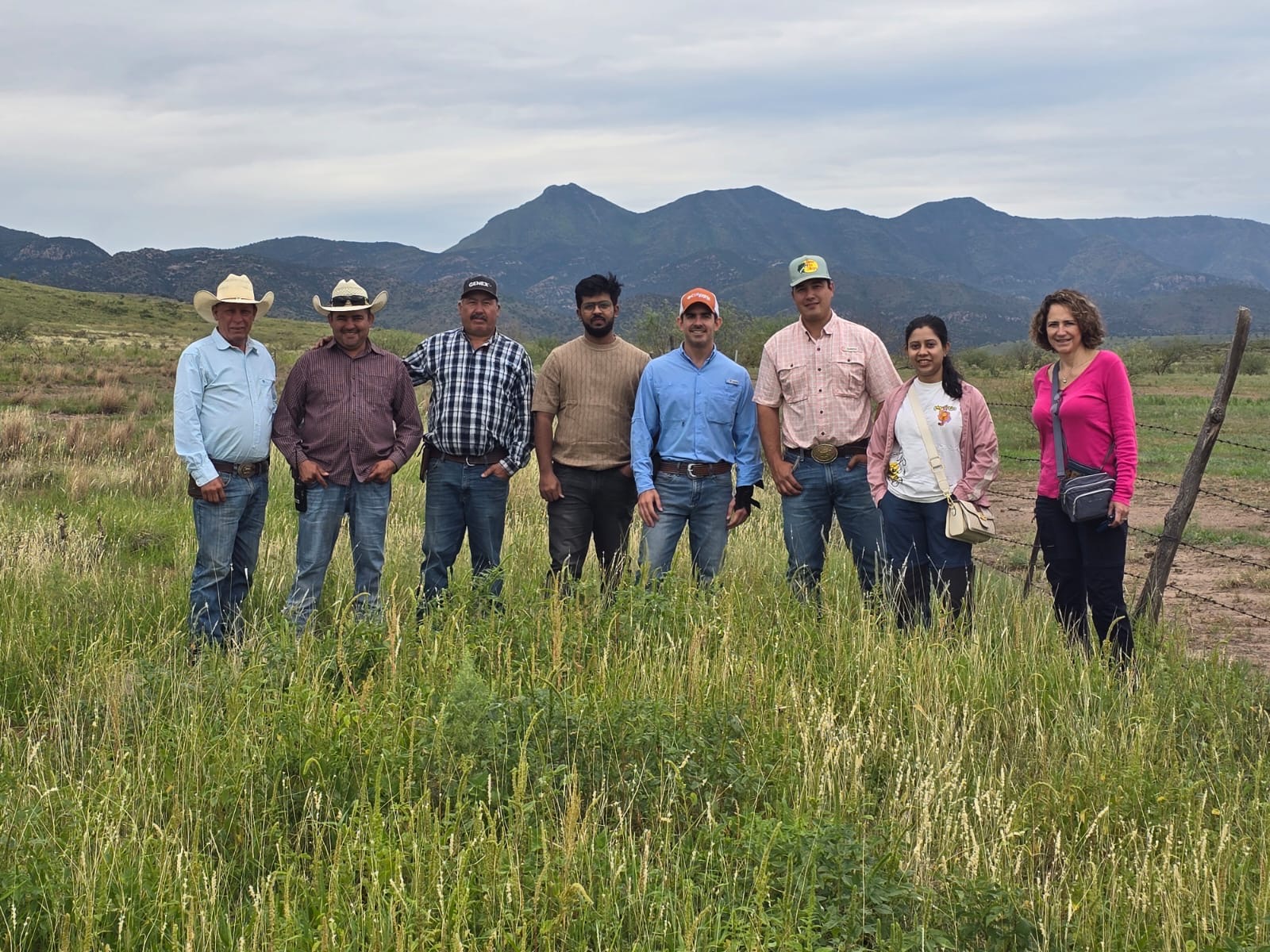
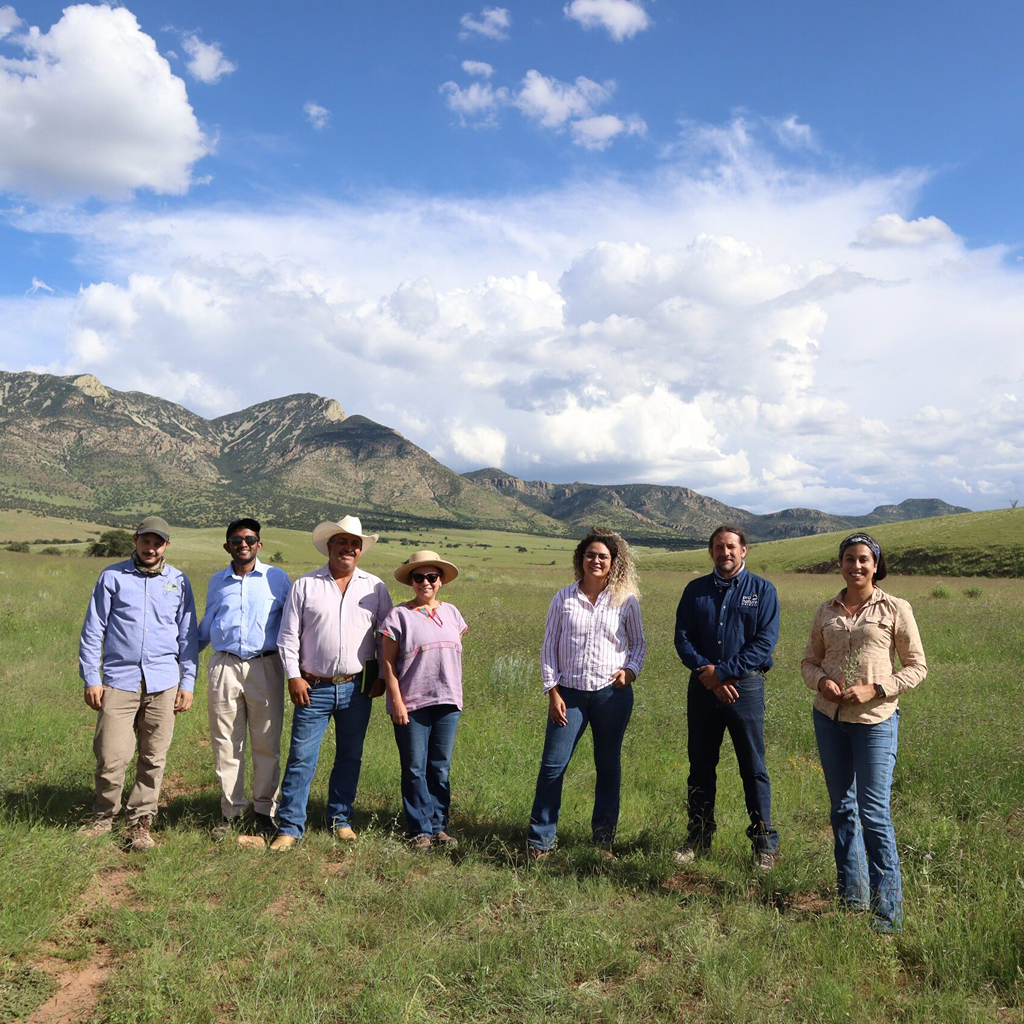
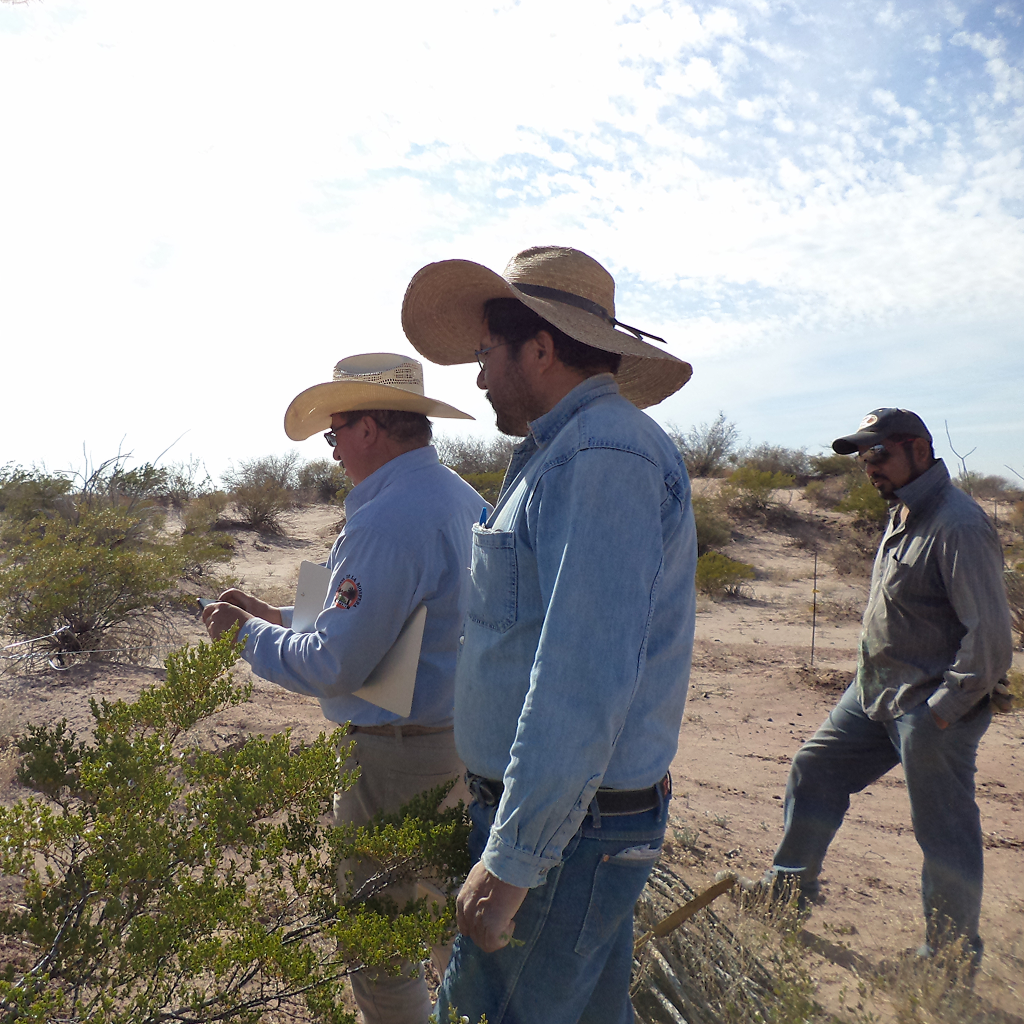
The project works with 158 ranching families from both ejidos (community-owned ranches) and private ranches across 4 million acres of Chihuahuan and Sonoran desert grassland. For years, these ranchers have been rebuilding the living soils beneath their feet through regenerative practices such as rotational grazing. That work is now generating tangible economic rewards.
Under Boomitra’s producer-first model, participating ranchers and local implementation partners receive at least 75% of gross carbon revenue. Support from buyers including Deloitte NSE, Ethereum Climate Platform, and Restoration Climate has helped translate verified carbon removal into direct financial returns for land stewards.
Ángel G., a rancher enrolled in the project, said: “It is deeply rewarding to receive payment for my contribution to mitigating climate change. By doing what I love, I can help improve our shared home, even in a small way. It is a valuable, additional incentive that allows me to keep improving my work hand in hand with natural processes.”
In rural Mexico, many ranching families operate with narrow economic margins while facing mounting climate pressures, including drought, soil degradation, and increasingly unpredictable rainfall. In that context, carbon finance can provide a meaningful additional income stream tied directly to good land stewardship. It gives ranchers a practical incentive to sustain and deepen regenerative practices over time.
As grasslands recover, they store more carbon. As more carbon is stored, more verified removal credits can be generated. And as those credits generate financial returns, ranching families are better positioned to continue investing in the stewardship that made those outcomes possible. The result is a reinforcing cycle of ecological and economic resilience led by local communities. The benefits also extend beyond carbon, including improved water infiltration, stronger drought resilience, greater forage availability, more wildlife habitat, and more resilient rural livelihoods.
Heriberto, an ejidatario at Ejido Acebuches, noted that thanks to the carbon project, “we will have capital to acquire more infrastructure that will allow us to manage the ranch better, such as electric fencing, feeders, and improved corrals.”
The project is also delivering measurable biodiversity benefits across a critical landscape. During project biodiversity assessments, 281 species of flora and 436 species of fauna were documented across the project area, including 41 classified as Rare, Endangered, or Threatened. These lands form part of a transboundary wildlife corridor linking four of North America’s most significant protected areas: Janos, Mapímí, Cuatro Ciénegas, and Big Bend.
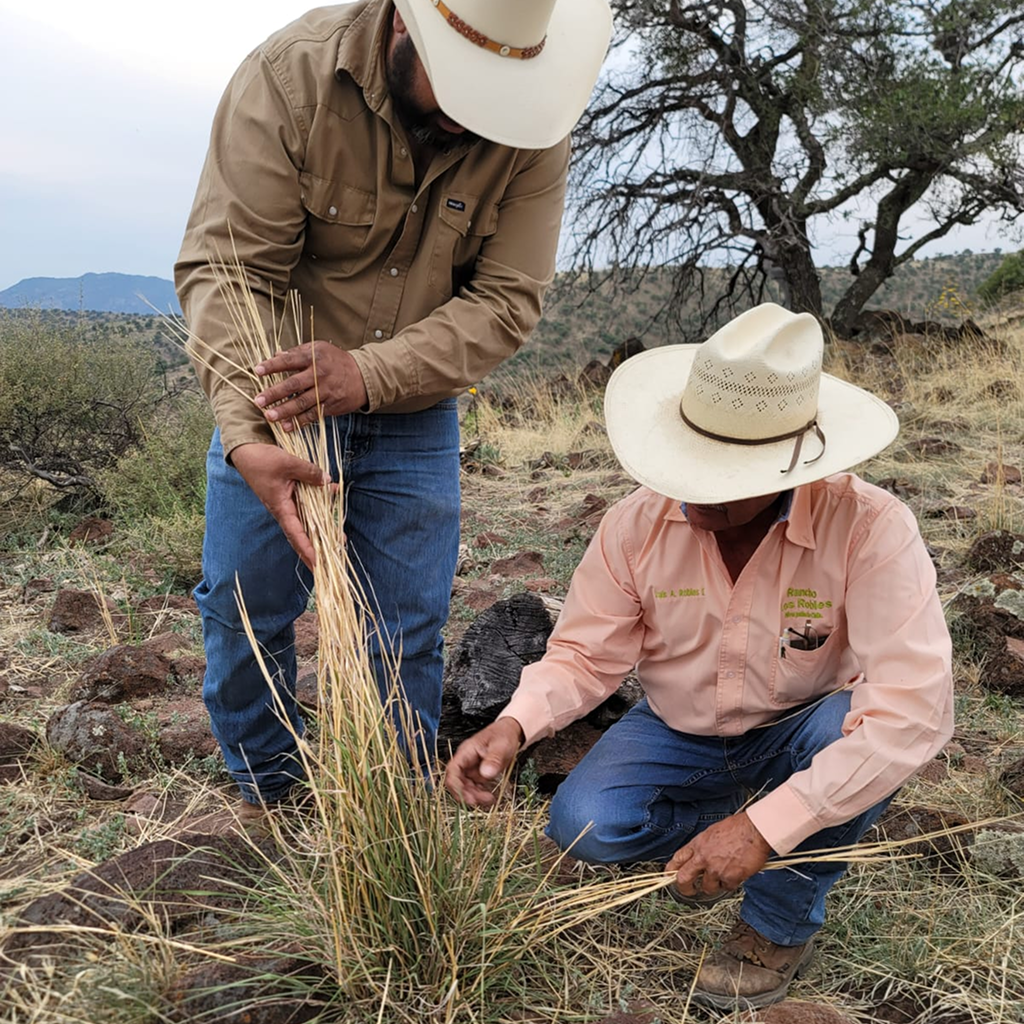
The return of a breeding pair of aplomado falcons at Pozo Caliente Ranch is a strong signal of improving habitat quality and a recovering food web. Additional indicators include the documented presence of jaguars and ocelots at Cuenca de Los Ojos, and the recovery of more than 60 native grass species at a single ranch where conventional grazing had reduced that number to one. Together, these indicators show how regenerative land management can support both biodiversity and ecosystem resilience.
Aadith Moorthy, Founder and CEO of Boomitra, said: “Behind every credit in this issuance is a rancher who put in years of patient work to restore the ecosystems their families depend on. These payments are a meaningful recognition of that stewardship and of the science and trust that have guided this project from the beginning.”
Is your company looking to source high-integrity grassland credits? Reach out to our team.


COMPANY
CLIMATE SOLUTION