scroll
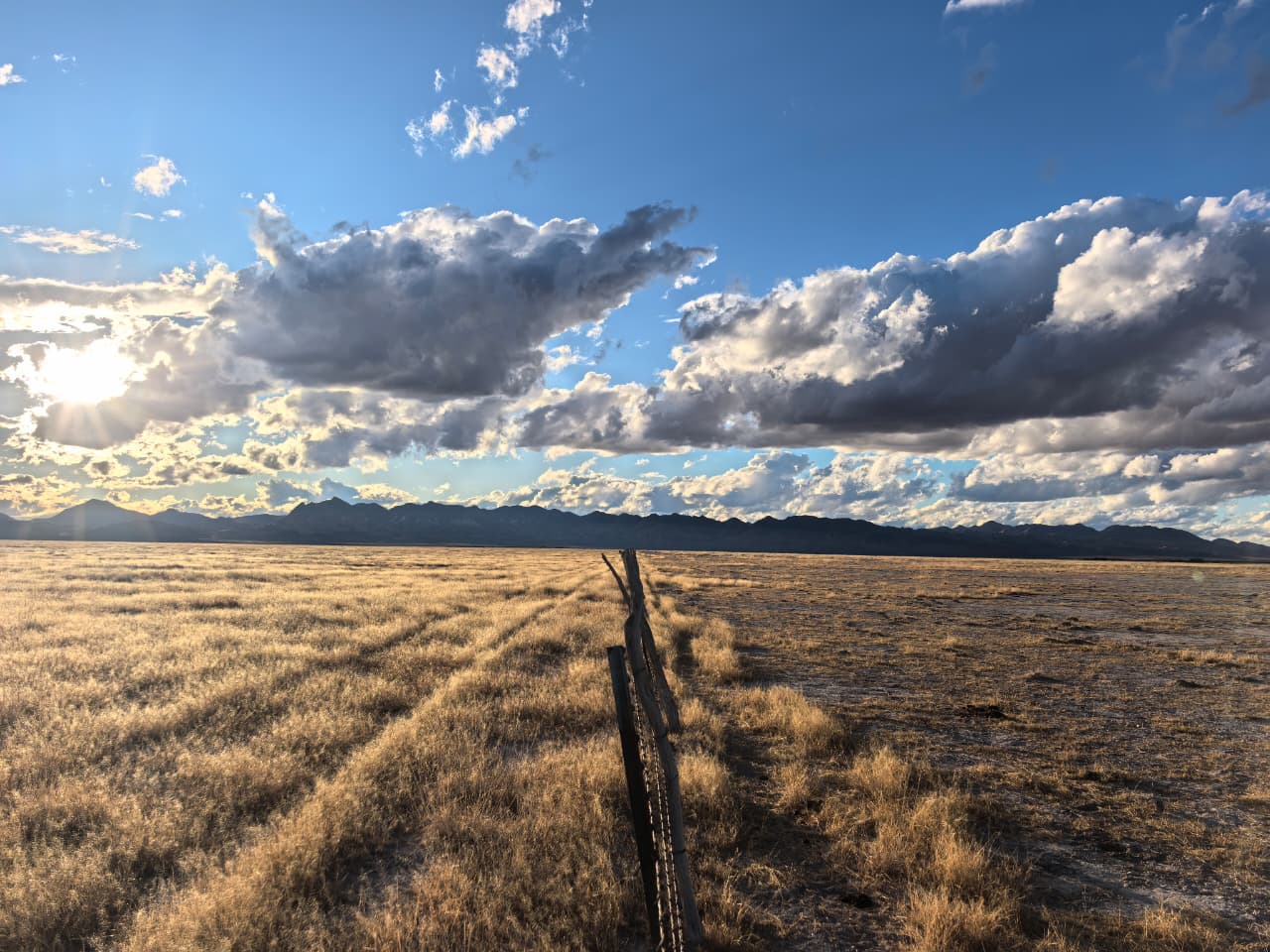
Boomitra’s Northern Mexico Grassland Restoration Project spans the Chihuahuan and Sonoran Deserts, where ecologically rich grasslands support diverse native species and ranching communities that have stewarded these lands for generations.
Working with both ejidos, Mexico’s long-standing community-owned land systems, and private ranches, the project advances science-based regenerative grazing practices backed by robust monitoring and verification.
This article shares case studies from three participating ranches: Ejido La Soledad, Don Tachín Ranch, and Pozo Caliente Ranch.
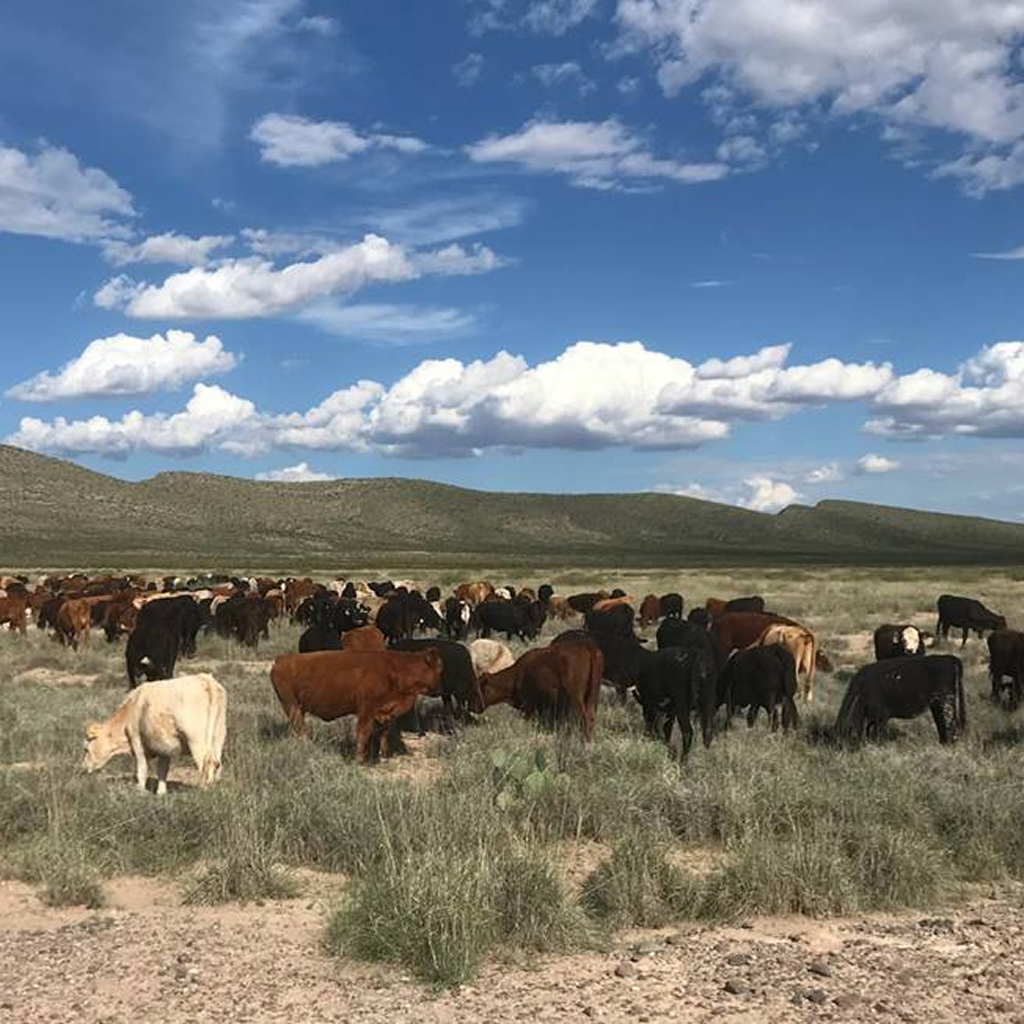
Ejido La Soledad is a community-owned landholding, stewarded collectively for generations, with more than 50 years of continuous livestock production. Like many long-established operations in the region, the ranch had accumulated the soil and vegetation degradation that often accompanies decades of conventional grazing: low forage availability, limited herd productivity, and a landscape whose capacity to recover from dry seasons had been quietly diminishing.
Participation in Boomitra’s project introduced integrated grazing management practices designed to work with the land’s natural recovery cycles rather than against them. The results have been measurable and significant.
Following implementation, Ejido La Soledad increased their rate of soil carbon sequestration, confirming what ranchers were already observing on the ground: that life was returning to the land. Improved vegetation cover and forage productivity have enabled better herd management and increased calf production, linking ecological restoration with economic viability for the ejido community.
Perhaps the most striking finding from La Soledad is the ecological wealth embedded in its grasslands. Botanical surveys have documented over 60 native grass species at the site. This diversity underpins the site’s long-term carbon permanence, as polyculture grasslands are significantly more resilient to drought and disturbance than monocultures.
Faunal surveys at Ejido La Soledad have confirmed the presence of both the Bolson tortoise (Gopherus flavomarginatus, Endangered) and the dune lizard (Uma Paraphygas, Endangered). These species are recognized indicators of intact Chihuahuan Desert grassland ecosystems, and their presence at the site strengthens the biodiversity and conservation co-benefits under the Climate, Community, and Biodiversity (CCB) Standard.
Adaptive grazing management at La Soledad has also increased the ranch’s resilience to drought stress, a critical consideration as Northern Mexico faces increasingly variable precipitation patterns under climate change. By allowing grass sufficient recovery time between grazing events, root systems deepen, soil organic matter accumulates, infiltration improves, and runoff declines, helping the land maintain its productive capacity even during dry periods.
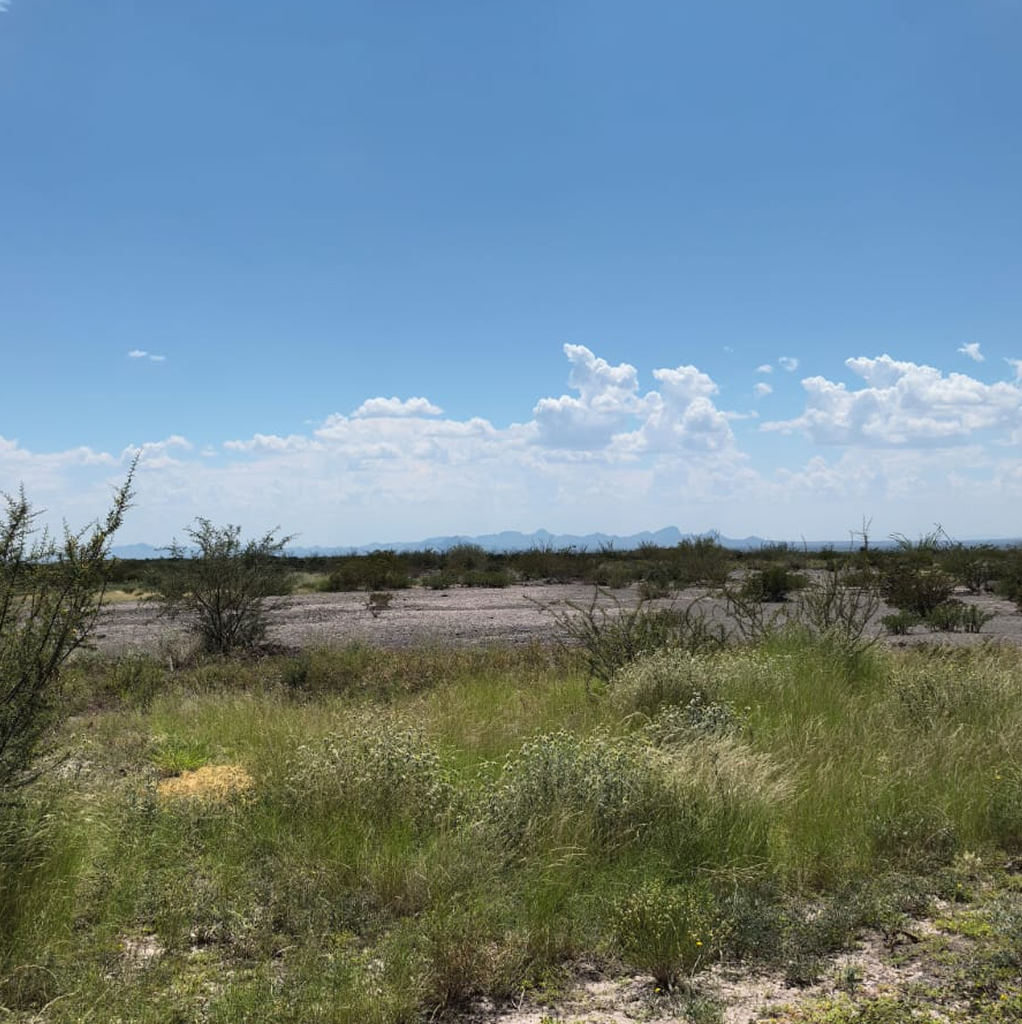
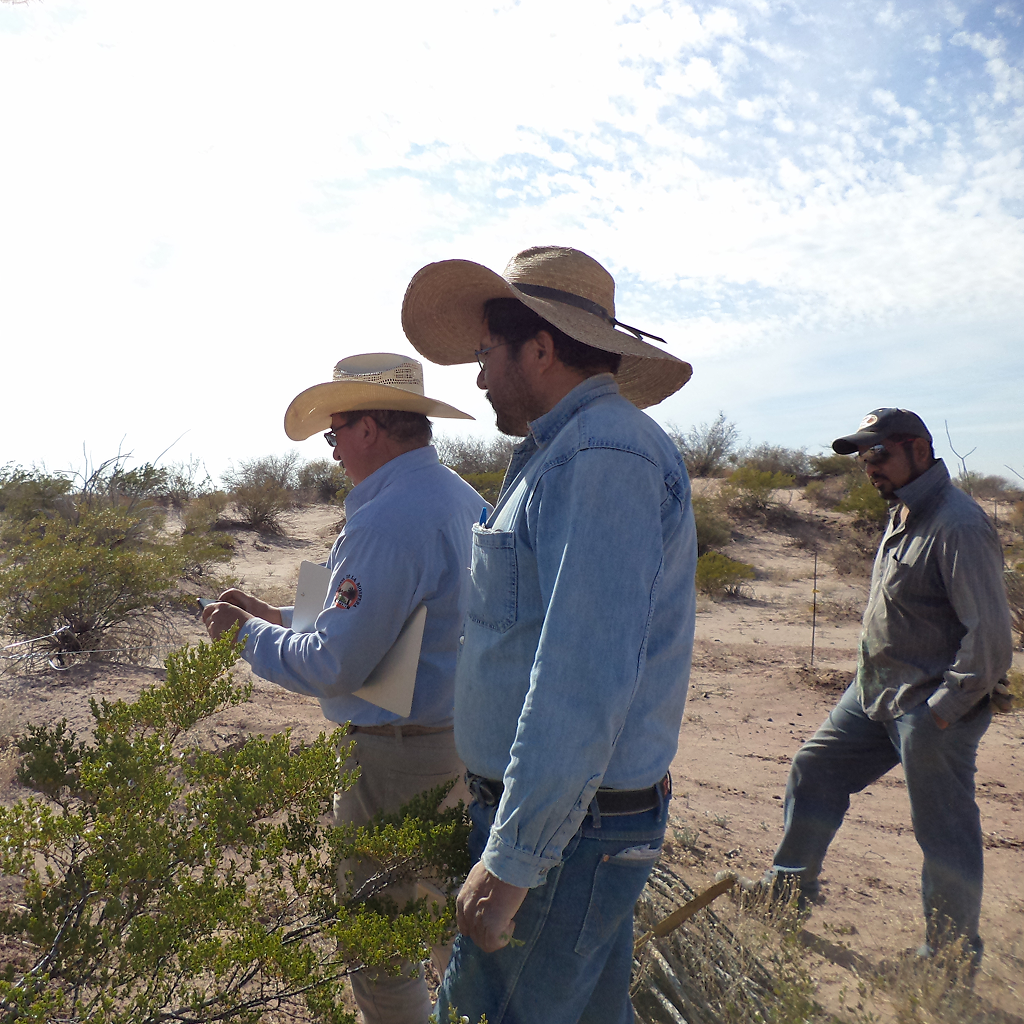
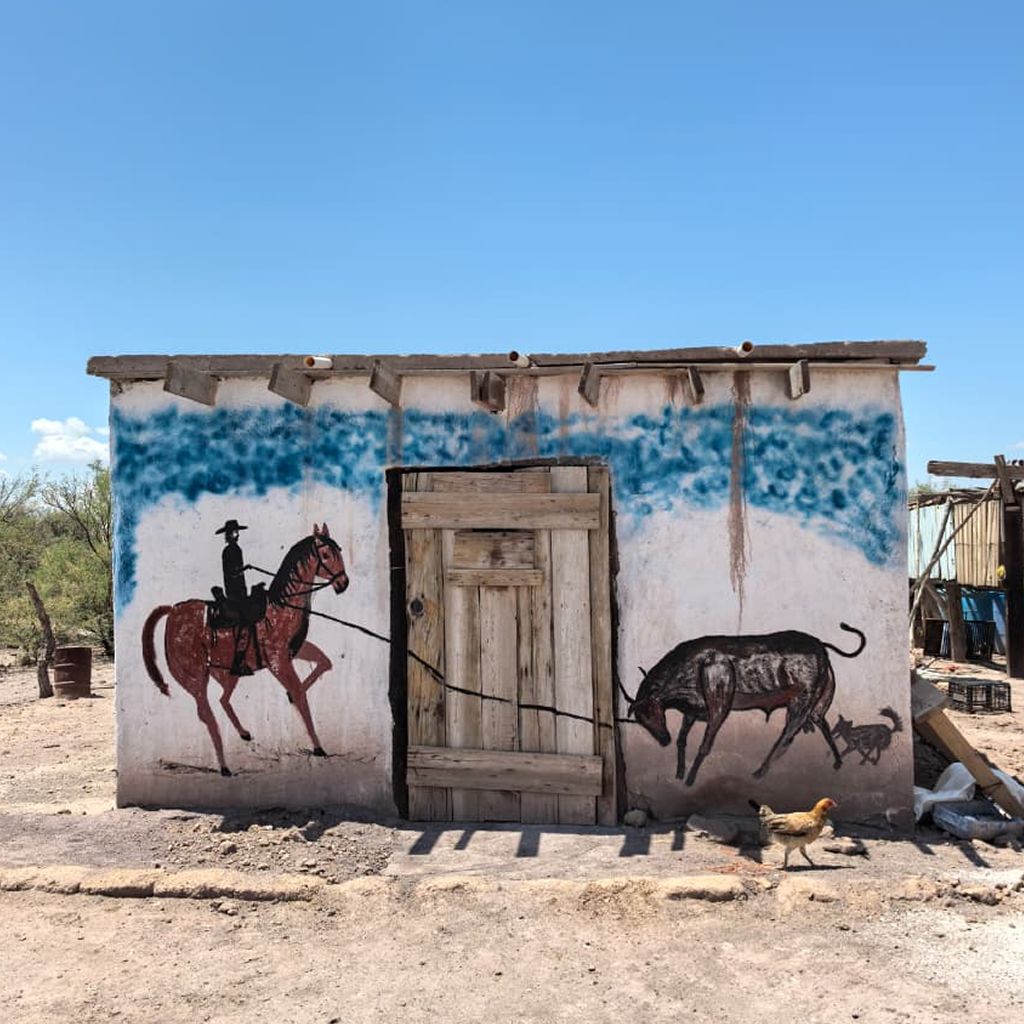
If Ejido La Soledad illustrates continuity with enhanced stewardship, Don Tachín Ranch tells a story of dramatic transformation. Before joining Boomitra’s project, the ranch operated with just three paddocks, a design that left the soil and vegetation in visibly degraded conditions.
Compacted soils, sparse ground cover, and reduced forage quality were the hallmarks of a system that had pushed its ecological limits. The ranch’s owner recognized that change was needed.
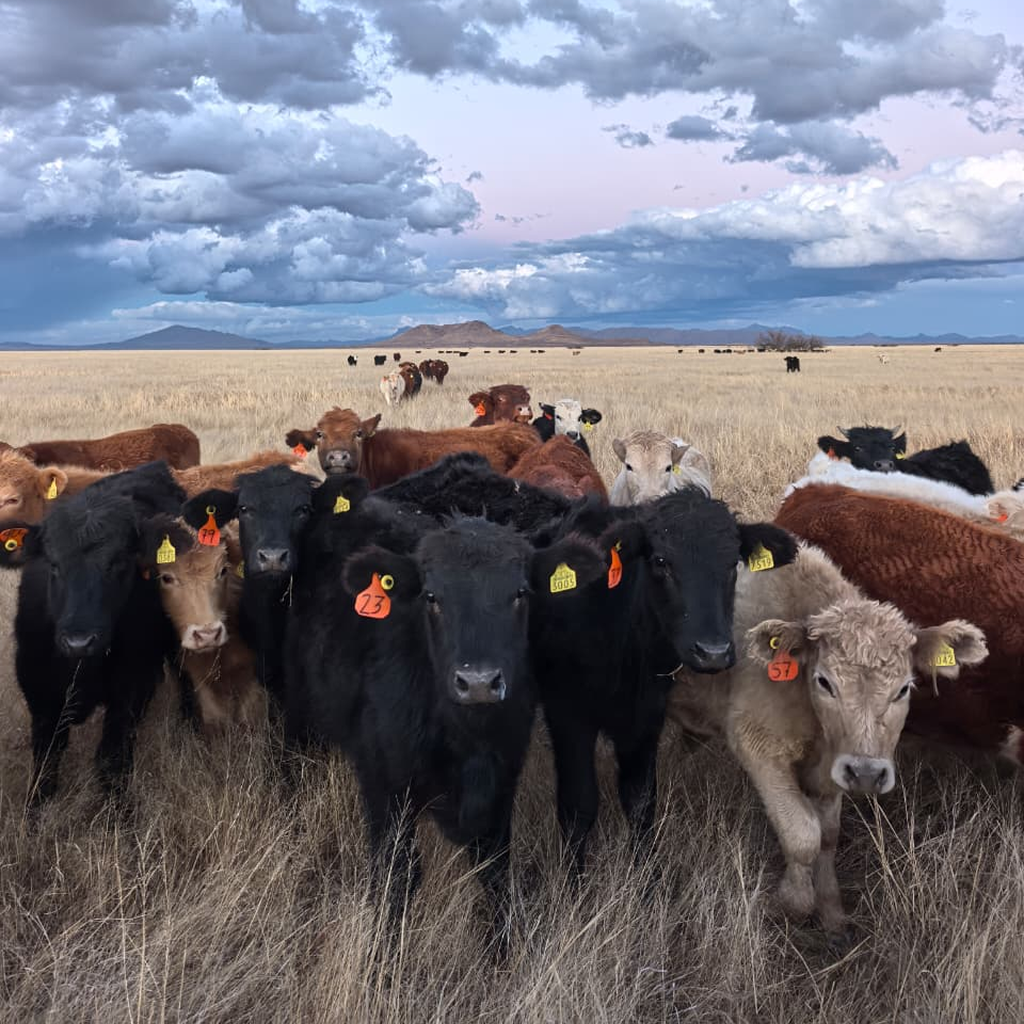
The turning point was infrastructure. Through the installation of electric fencing, Don Tachín Ranch expanded from 3 paddocks to more than 100. This transformation made intensive rotational grazing possible: cattle now move multiple times per day across a mosaic of paddocks, each receiving well-defined rest and recovery periods, supporting deeper roots and better soil moisture retention.
Over four years of implementation, vegetation cover and grass productivity increased substantially at Don Tachín. Botanical monitoring identified 45 native grass species. These species were likely present in the soil seed bank but suppressed under prior management conditions, now expressing themselves as the land recovered the space and time to regenerate. These changes in vegetation diversity and cover are the biological mechanisms through which soil organic carbon accumulates, as greater root biomass, microbial activity, and organic matter inputs drive the sequestration that Boomitra verifies and credits. Don Tachín’s soil carbon outcomes reflect a system that is genuinely on the path to recovery.
Ranchers sometimes worry that improved grazing management will come at the cost of productivity. Don Tachín’s trajectory tells the opposite story. Enhanced vegetation cover and forage quality have supported both improved herd productivity and durable soil carbon outcomes.
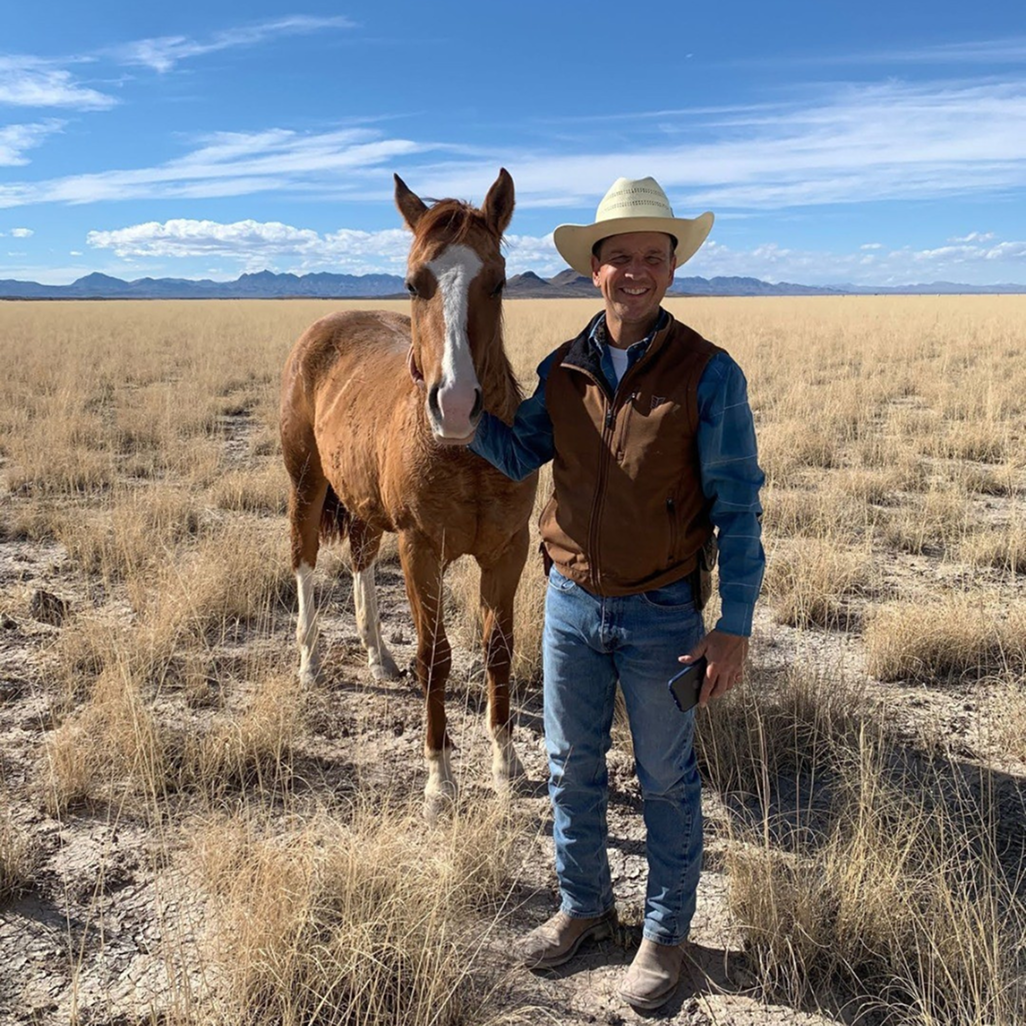
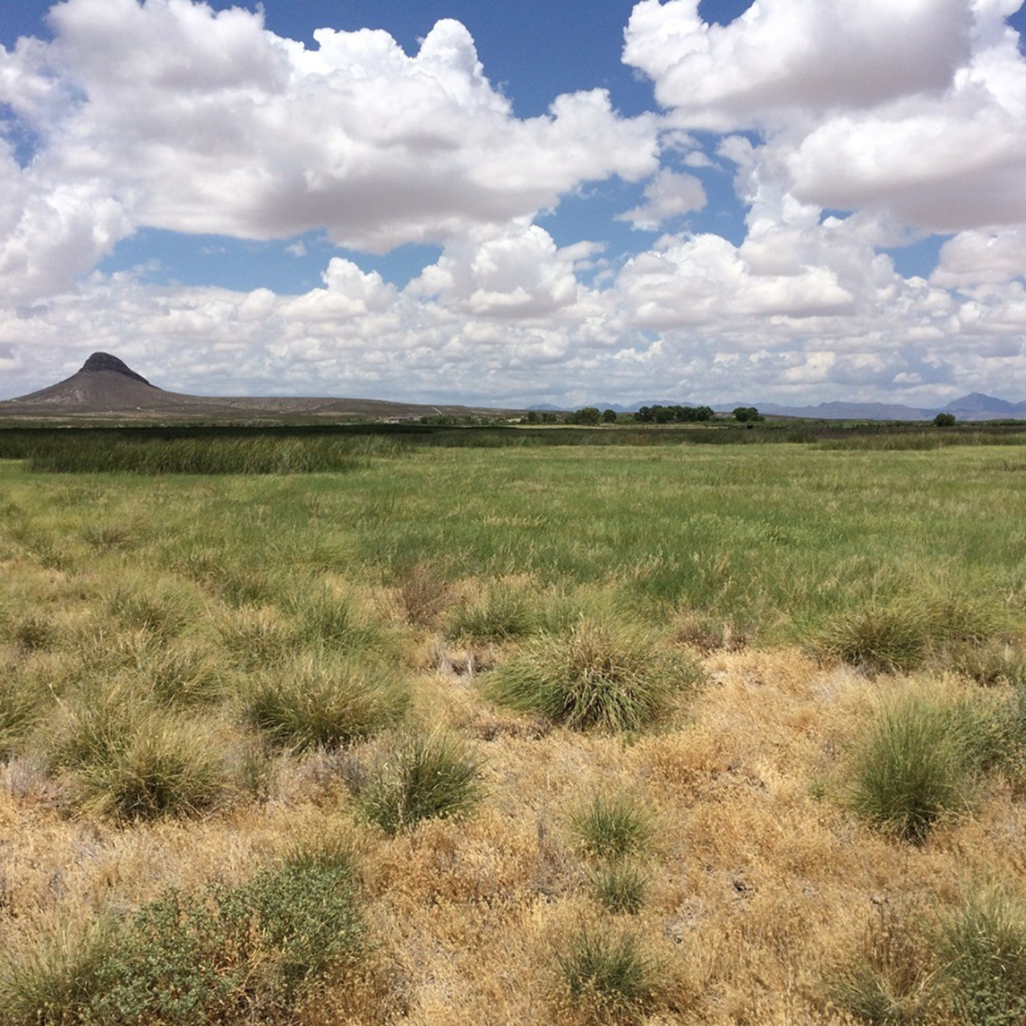
Pozo Caliente Ranch has achieved net soil carbon sequestration above the project average; a standout result that reflects both the quality of regenerative practices implemented and the site’s intrinsic ecological potential. The ranch’s outcomes demonstrate what becomes possible when water infrastructure, fencing investment, and skilled grazing management are combined in a landscape with the right conditions for recovery.
Project activities at Pozo Caliente included installation of new water connections, pipelines, and multiple cattle watering points distributed across the property. This strategic investment unlocked land previously under-grazed due to lack of water access, or over-grazed because cattle concentrated near limited water sources. Combined with more than 12 km of fencing, these improvements enabled controlled rotational grazing with adequate grass and soil recovery periods across the full ranch. The result is a landscape that is being grazed with precision: where cattle are, where they’ve been, and where the land is resting is no longer a matter of chance but of deliberate management. This spatial and temporal control over grazing pressure is a fundamental driver of soil carbon accumulation in grassland systems.
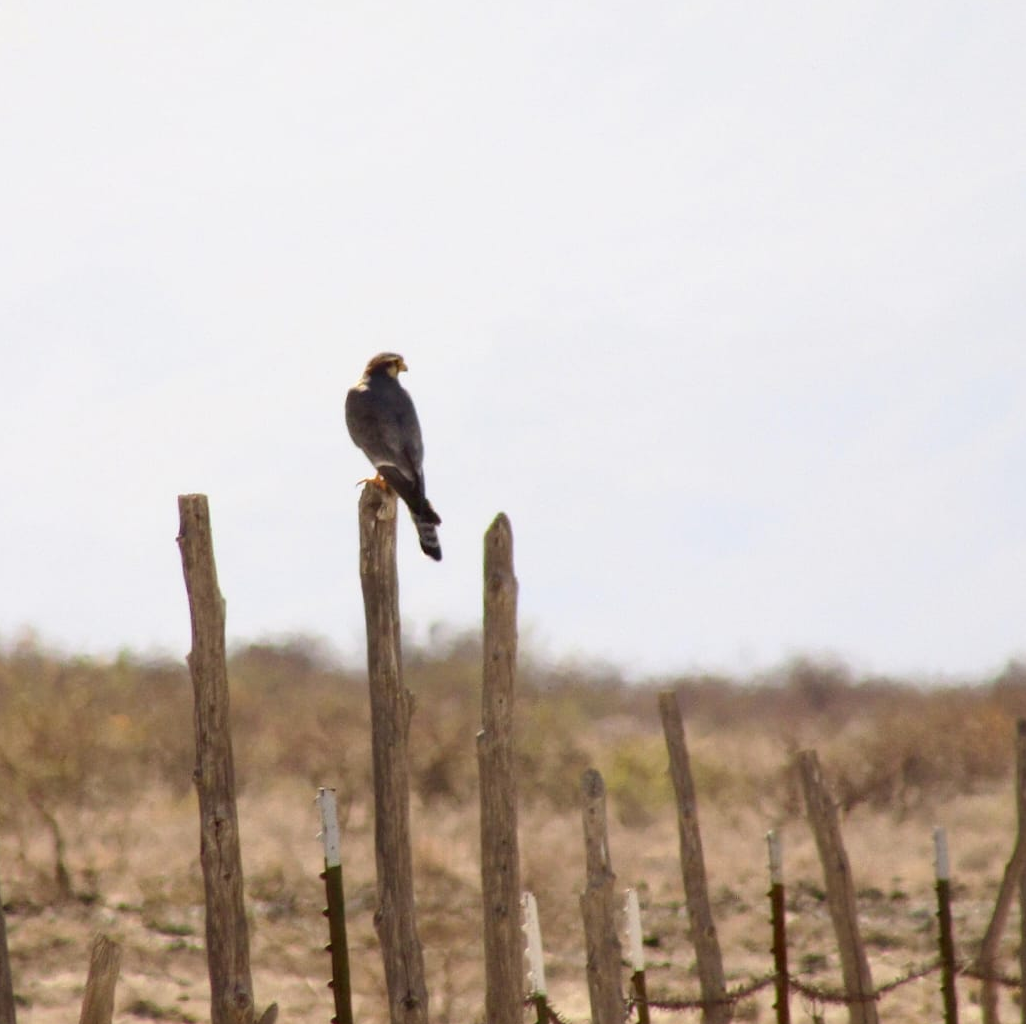
Biodiversity monitoring at Pozo Caliente has revealed a site of exceptional conservation significance. Documented species include the Endangered Mexican prairie dog (Cynomys mexicanus), Threatened aplomado falcon (Falco femoralis), golden eagle (Aquila chrysaetos), and burrowing owl (Athene cunicularia). This species co-occurrence signals strong landscape integrity. Most notably, a breeding pair of aplomado falcons was confirmed at the site, indicating that Pozo Caliente’s food web, habitat structure, and spatial extent have reached the quality needed to support reproduction in an obligate grassland raptor.
Pozo Caliente’s outcomes represent the full spectrum of Climate, Community, and Biodiversity (CCB) co-benefits that Boomitra’s project is designed to generate. The ranch illustrates how well-implemented regenerative grazing restores the ecological functioning of a landscape while removing carbon from the atmosphere.
Ejido La Soledad, Don Tachín Ranch, and Pozo Caliente are different in many ways, including their ownership structure, starting conditions, and the specific interventions that drove their recoveries. But together they illuminate several consistent truths about grassland restoration in Northern Mexico.
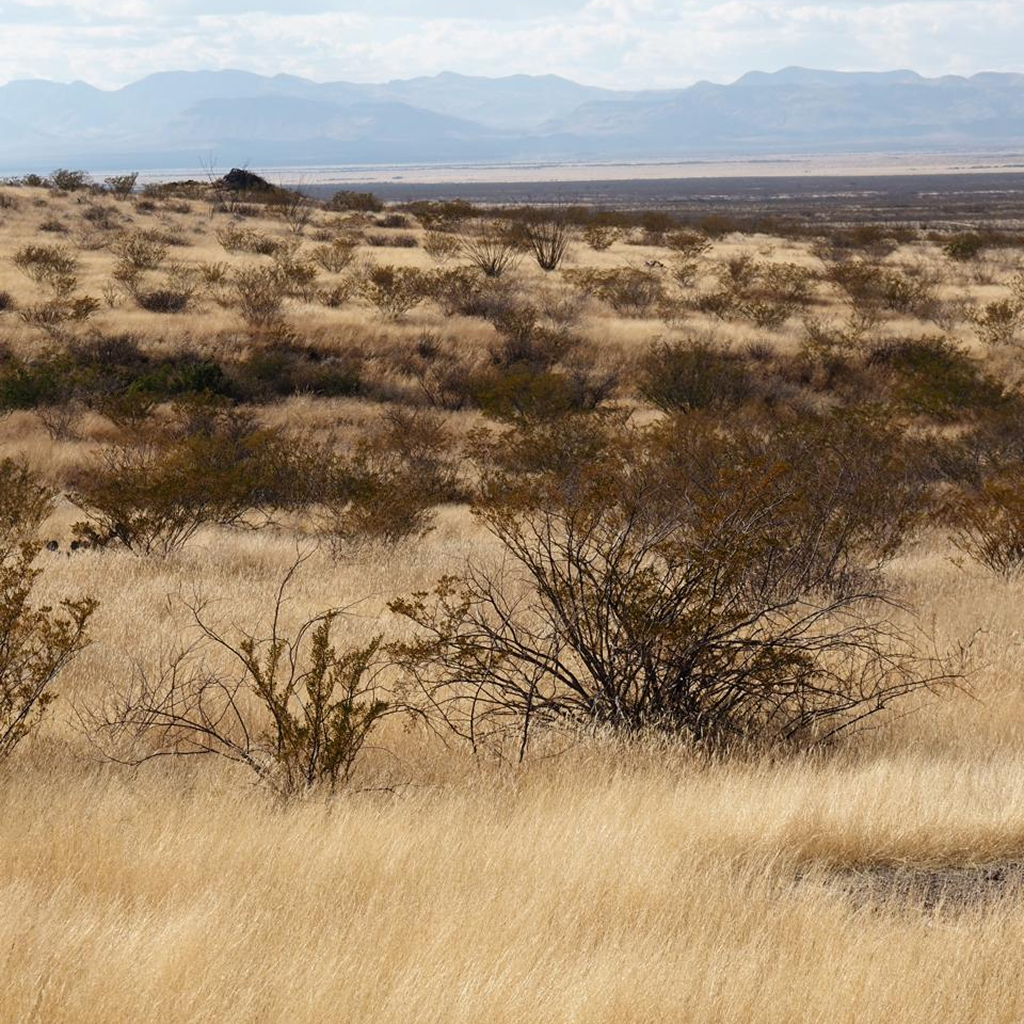
First, the ecological potential is there. Northern Mexico’s Chihuahuan and Sonoran Desert grasslands retain remarkable regenerative capacity: seed banks, soil microbiomes, and native plant communities that persist beneath degraded surfaces and re-emerge rapidly when management pressure is appropriately adjusted. The ranches in this project allowed biodiversity to recover.
Second, carbon outcomes and productivity are not in tension. Across all three sites, improved vegetation cover and forage quality have supported both enhanced herd management and verified soil carbon sequestration.
Third, biodiversity and carbon are co-produced. The presence of 60 native grass species at La Soledad, 45 at Don Tachín, and breeding aplomado falcons at Pozo Caliente are not peripheral findings. They reflect the same underlying reality that drives carbon sequestration: a functioning, diverse, resilient grassland ecosystem. Where biodiversity thrives, carbon endures.
Additional rancher testimonials and case studies from Boomitra’s Northern Mexico Grasslands project are available, including: From Dust to Dirt, The Transformation of El Apache Ranch, Building Biodiversity with Cuenca de Los Ojos, and The Story of an Ejido.
Interested in supporting grassland restoration and high integrity carbon removals in Northern Mexico? Talk to our team.


COMPANY
CLIMATE SOLUTION







