scroll
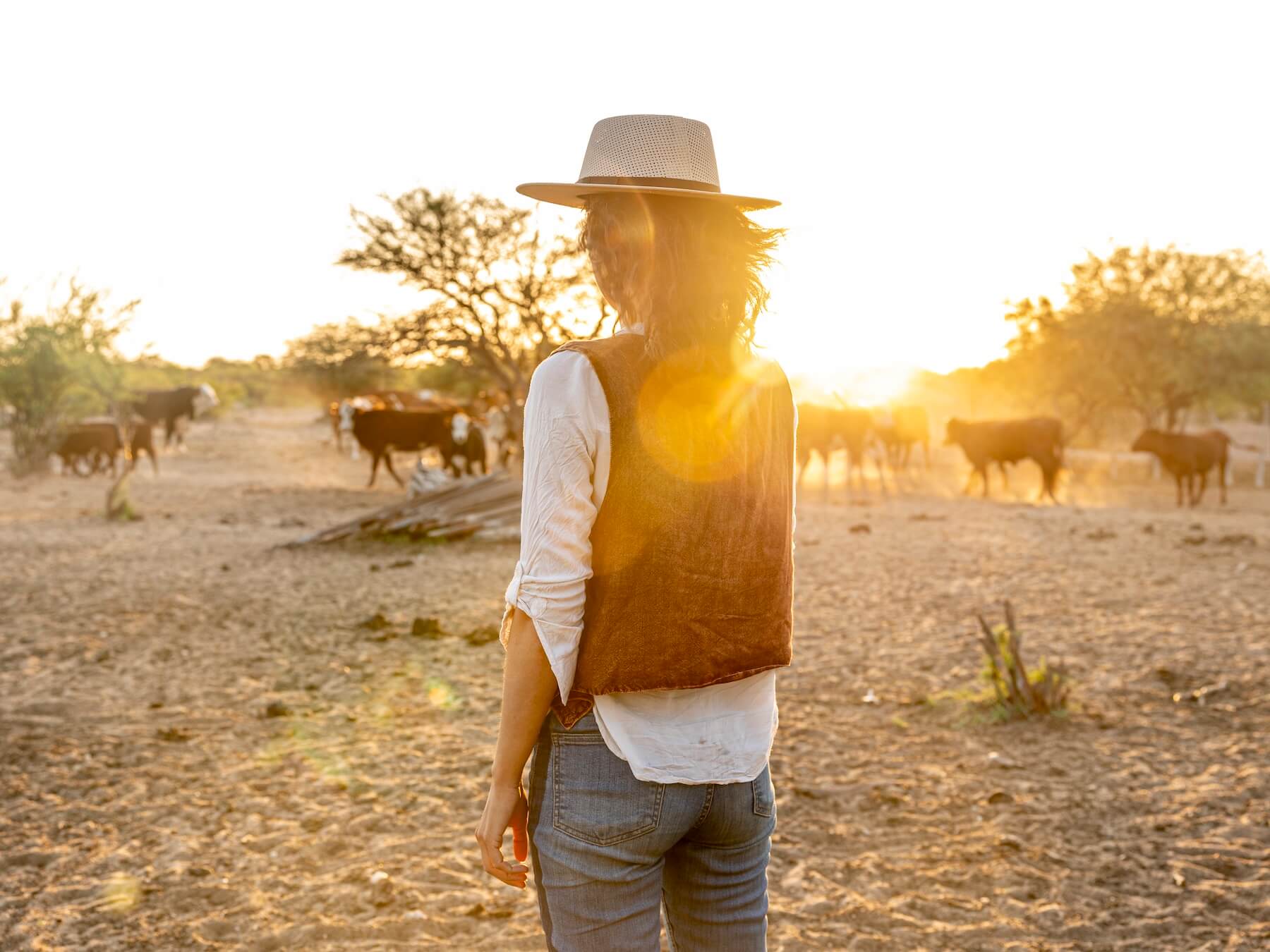
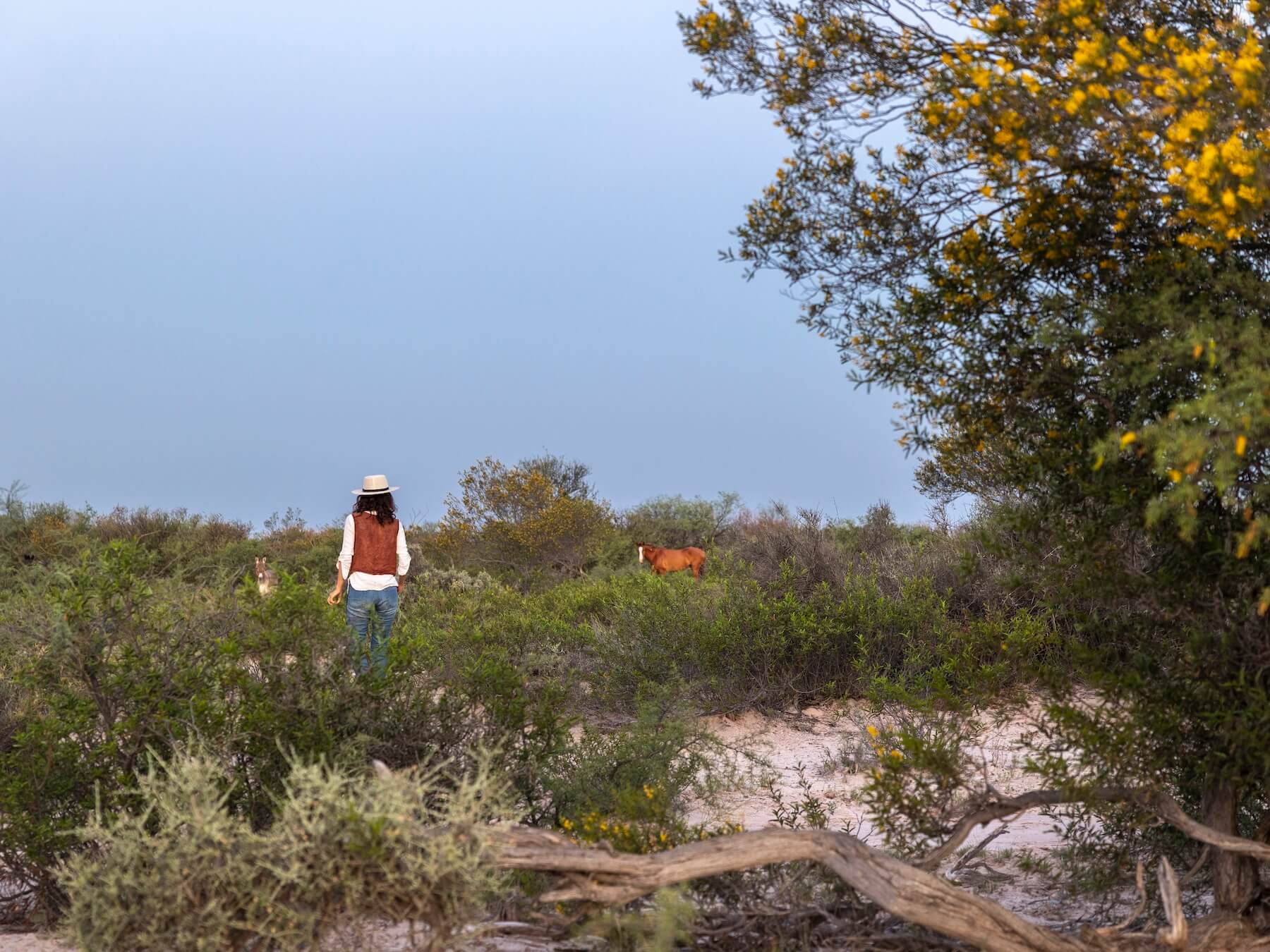
For more than a decade, Daniela Pardo Méndez has led La Siempre Viva, a 9,750-hectare ranch in Argentina’s Chaco region. But she has known this land her entire life. Over the years, she watched fertile rangelands become dry and barren as the climate changed around her.
Annual rainfall fell from roughly 250 millimeters to barely 100. A ranch that once supported 1,000 breeding cows could now sustain only a third of that number. The land was asking for a different approach.
Rather than abandoning pastoralism, Daniela returned to the regenerative principles that had guided generations before her. She knew that “human beings have related to the land for many years as what it has to give us; it is time to think with a different gaze.” So she began to ask “what can I contribute, how can I give back?”
She divided her ranch into multiple paddocks using solar-powered electric fencing and adopted holistic planned grazing. By carefully rotating livestock, each section of land has time to rest, recover, and regenerate before animals return. Most importantly, she began viewing production and conservation as complementary partners.
When Daniela first heard about Boomitra’s South America Grassland Restoration project through Boomitra’s local project partner, Alianza del Pastizal, she quickly signed up to learn more.
“It seemed like a dream come true, that in some way, the world was finding ways to reward those who are dedicated to producing while preserving the environment,” Daniela said.
Through the project, Alianza del Pastizal provides on-the-ground guidance and technical support to help producers implement regenerative grazing practices, while Boomitra measures the resulting increases in soil carbon, which are independently verified. Boomitra then helps connect those verified carbon removals with organizations looking to invest in climate action. For producers like Daniela, good stewardship becomes something that is recognized and rewarded.
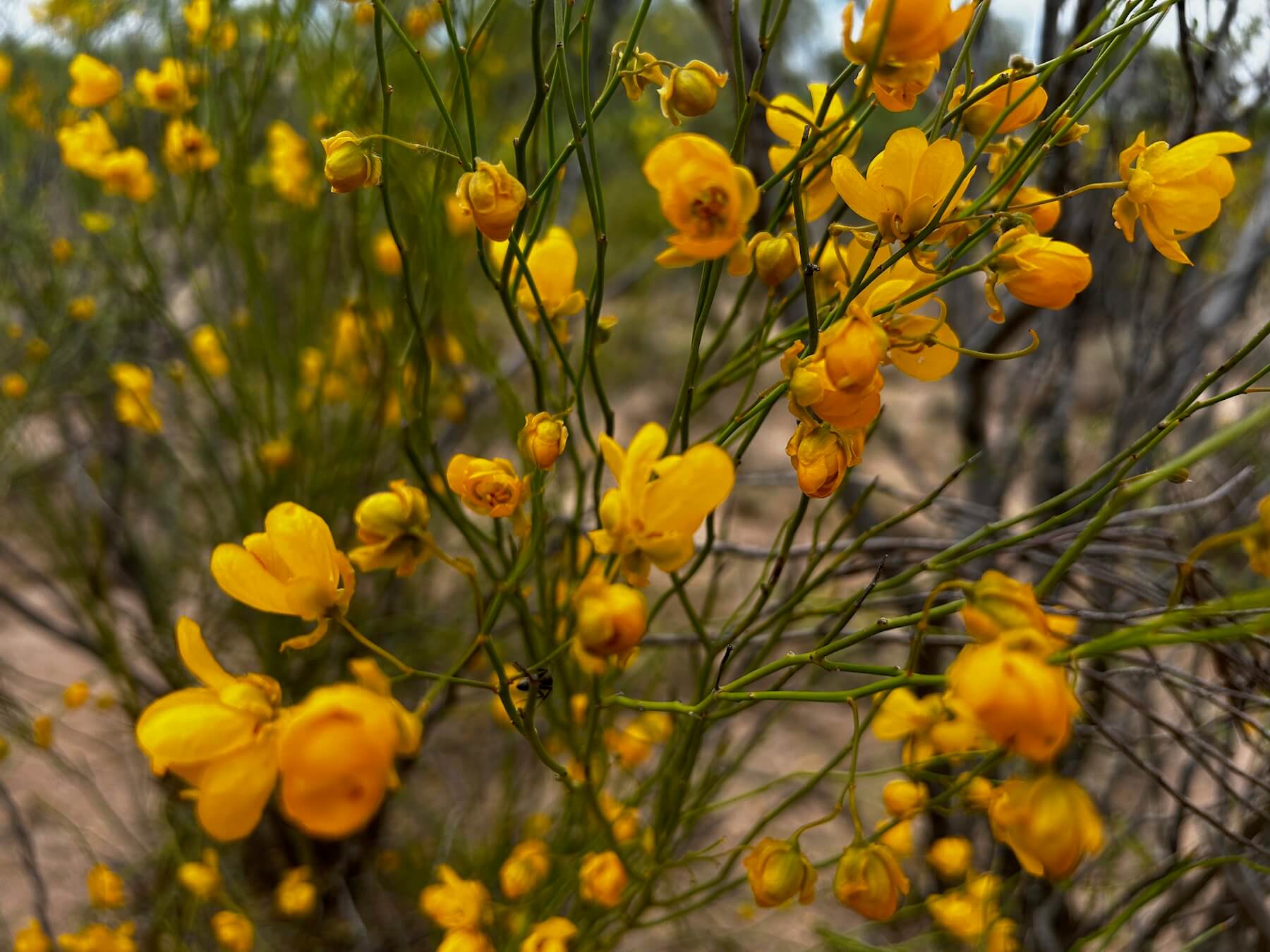
Years later, the transformation is impossible to miss. Once-barren paddocks are now filled with native grasses and seasonal wildflowers. “Red flowers in the desert were very, very shocking to me!” Daniela recalls. Butterflies have returned, and the Yellow Cardinal, a vulnerable species threatened by poaching, has found refuge here through local reintroduction efforts. Her cattle now graze on a diverse mix of native forage, thriving without supplemental feed.
As a woman leading environmental change in a male-dominated sector, Daniela knows her perspective matters: “Bringing women’s voices into these projects allows many more ways of taking action to emerge, and the environment itself is nourished by diversity.” Women play a major role in the pastoralist tradition and in restoring our Earth, so amplifying their voices in conservation conversations is a crucial part of lasting change.
Today, Daniela dreams of creating a biological corridor of like-minded producers across the region. Her message to fellow ranchers is urgent: “I urge everyone to visit and see the changes, and to ultimately feel inspired to go beyond the known.” Change can be daunting, but Daniela’s results speak for themselves.
When pastoralists are supported and recognized, they can turn the tide on desertification. At La Siempre Viva, that future is already taking shape.
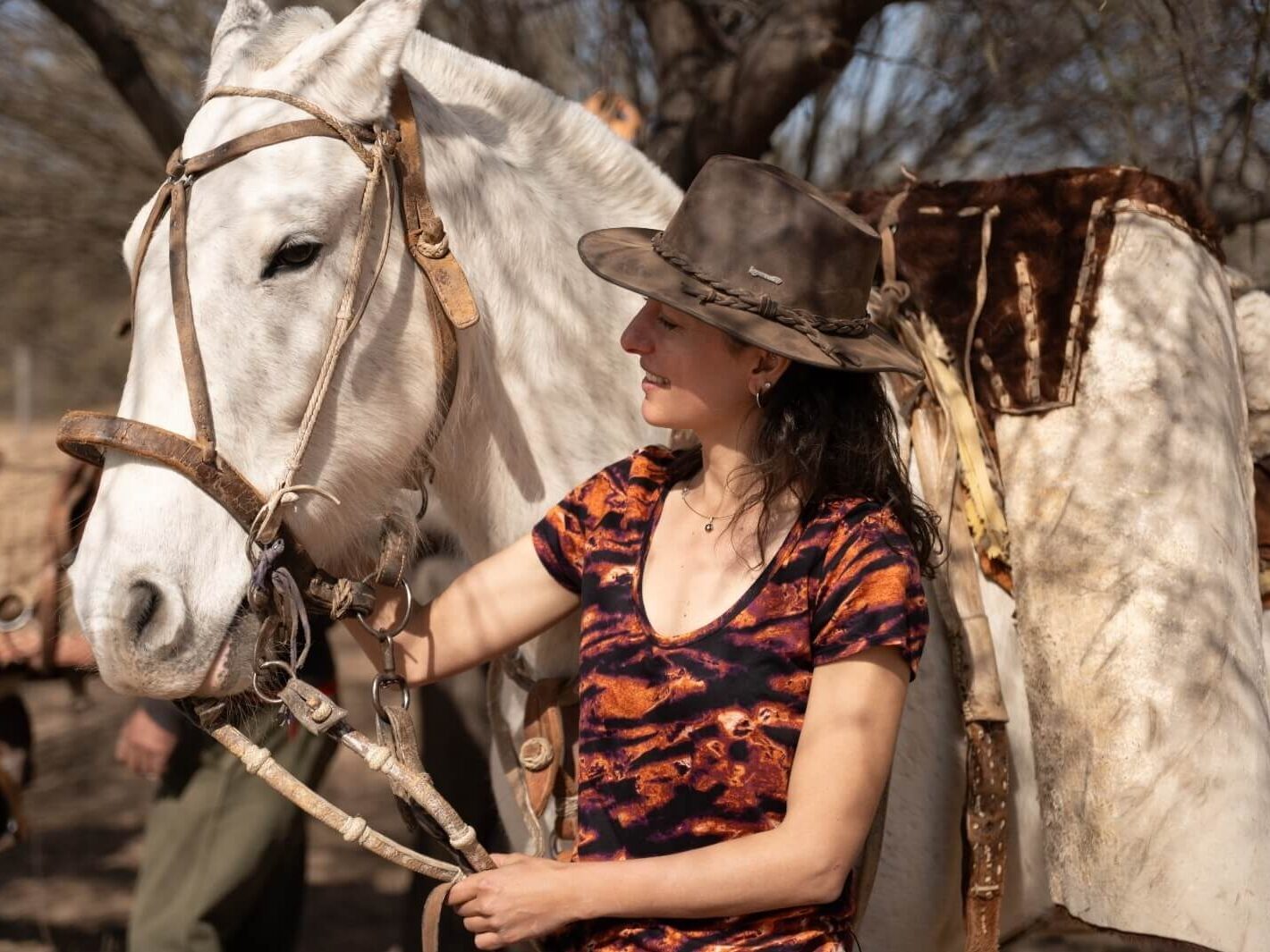
2026 has been designated by the United Nations as the International Year of Rangelands and Pastoralists (IYRP), recognizing the essential role these landscapes—and the people who steward them—play in food security, biodiversity, climate resilience, and culture. Learn more.

COMPANY
CLIMATE SOLUTION