desplazamiento
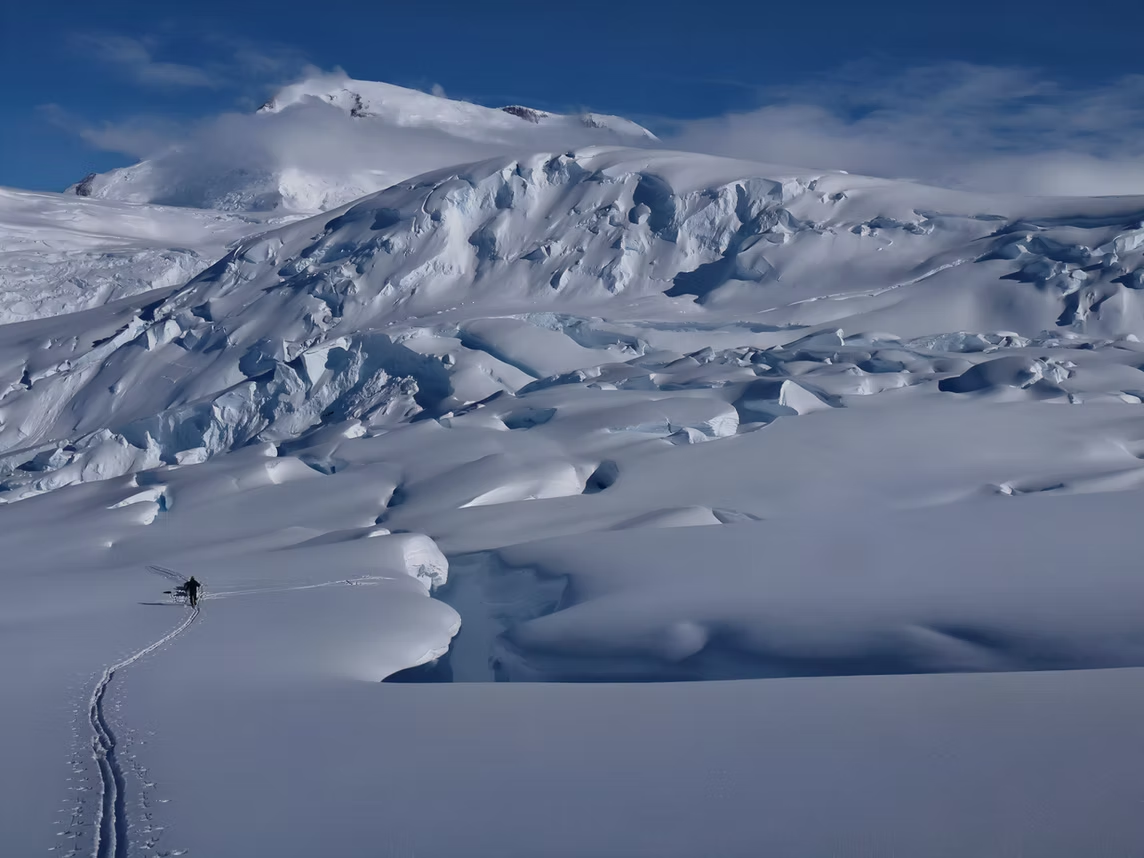
This November, two explorers will step off a Twin Otter at the edge of Antarctica and start skiing south. Over roughly two months, Max Worsley and Martin Nesse will cover 1,349 km to the Geographic South Pole, unsupported, hauling everything they need behind them.
That journey has a carbon cost, and Max and Martin are partnering with Boomitra to help them cover it.
There is no version of a South Pole expedition without a carbon footprint. Using Boomitra’s QuantESG software, the team calculated theirs at 119 tonnes of CO₂. The count covers flights, Antarctic logistics, freight, fuel, and even the food they will eat on the ice.
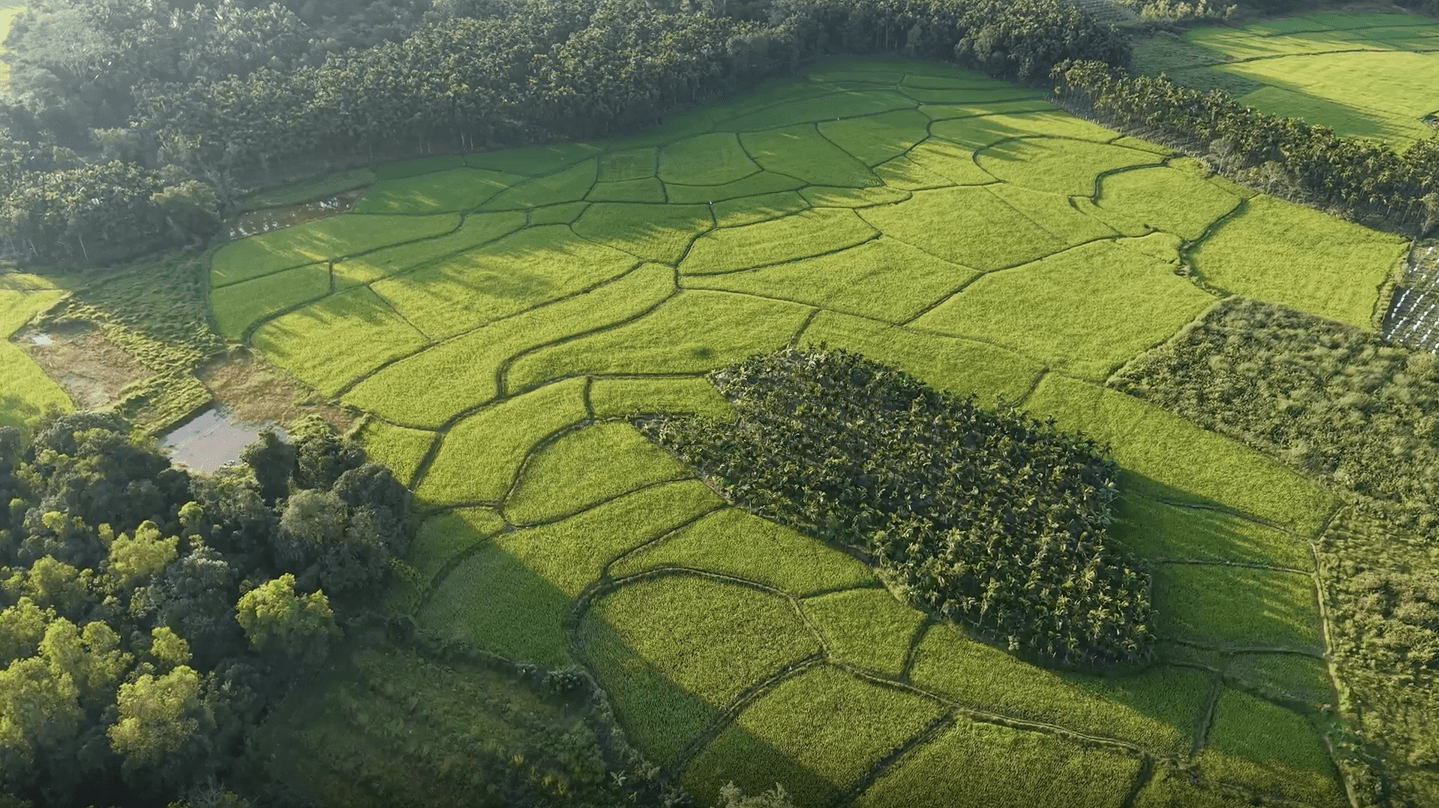
To match that footprint, Boomitra retired 119 verified carbon removal credits on the team’s behalf. The credits come from Boomitra’s soil carbon projects in northern Mexico, where ranchers are regenerating grasslands and locking carbon back into the soil. Max and Martin have said they want to go further still and make the expedition carbon negative.
Each Boomitra carbon credit represents one verified tonne of CO₂ equivalent removed from the atmosphere. Before those credits counted for The Onwards Expedition, they went through three steps:
Issued: Once a project’s carbon removal has been independently verified, a registry creates the credits and gives each one a unique serial number. Verra’s registry, for example, tracks every credit from issuance to retirement.
Bought or held: Once a company buys credits, it can retire them right away or hold them in reserve. Companies, governments, and investors often bank credits for future compliance, trading, or to match the timeline of their sustainability plans.
Retired: Retirement takes a credit permanently out of circulation. It can no longer be sold, transferred, or used again. The registry logs each retirement against the credit’s serial number, creating a permanent public record that the credit has been used and cannot be claimed twice.
Retirement is the step that makes the claim real. A credit that has only been bought, or only promised under a future-delivery agreement, could still change hands. Once retired, those 119 tonnes count only toward the expedition’s footprint.
While retirement proves that specific credits were used only once, it does not, by itself, prove the removal behind them was real. That assurance comes from how the project is developed, measured, and verified. Boomitra measures soil carbon with satellite data and on-the-ground sampling, and each project is independently verified before a single credit is issued.
The route begins in the Outer Coastal Zone just north of Berkner Island, crosses the Filchner Ice Shelf, and climbs through the Pensacola Mountains onto the polar plateau. Max and Martin will each pull a sled of about 130 kg through temperatures as low as -40°C, winds up to 100 mph, and an elevation of 2,800 m.
The specific route holds personal significance for the explorers. Max’s father, polar explorer Henry Worsley, died in 2016 while attempting the first solo, unsupported crossing of Antarctica. Max will ski the very same route his father took on that final expedition, alongside Norwegian adventurer Martin Nesse.
The Prince of Wales, who was patron of Henry’s second and third expeditions, is patron of The Onwards Expedition. BBC Studios is developing a documentary following the journey and Henry’s life that will allow the general public to come alongside their adventure.
The expedition looks back to Shackleton and Henry Worsley, but its primary focus is the future of our planet. Max and Martin are using the crossing as a platform to show why Antarctica matters: its science, its wildlife, and the way even small changes at the poles affect sea levels and climate systems everywhere.
The team knows that siloed work is work done in vain. With this in mind, the team plans to spotlight the scientists, community leaders, Indigenous guardians, entrepreneurs, and innovators protecting wild places, from oceans and forests to rivers and grasslands.
Along with this, the expedition is raising awareness and funds for two charity partners. Firstly, The Earthshot Prize, which Boomitra won in 2023, backs solutions to repair and regenerate the planet this decade. And secondly, the British Exploring Society gives young people from diverse backgrounds the chance to build confidence through wilderness expeditions.
Max and Martin set off in early November. Follow their progress through the expedition website, which will host a live tracker, and on Instagram.
You can do what they did! Boomitra’s Earth Ambassador tool calculates your own footprint in about five minutes, with no sign-up, and shows you how to fund verified carbon removal.
From all of us at Boomitra: we are cheering you on, Max and Martin.
Onwards.

EMPRESA
SOLUCIÓN CLIMÁTICA

Al optar por participar, aceptas nuestra Política de privacidad