desplazamiento
In 2026, the UN is spotlighting one of Earth’s most underappreciated climate solutions: rangelands and the pastoralist communities who steward them.
The International Year of Rangelands and Pastoralists (IYRP 2026) recognizes these landscapes’ vital role in food security, ecosystem health, climate resilience, and cultural heritage. Rangelands cover half of Earth’s land surface—from grasslands and savannas to deserts and mountains—and store roughly 30 percent of global soil organic carbon.
Despite their scale and importance, rangelands remain chronically overlooked in climate policy and conservation strategies. IYRP 2026 aims to reframe them not as marginal lands, but as dynamic ecosystems that sustain people, biodiversity, and climate stability.
Rangelands are lands dominated by grasses, shrubs, and forbs that are grazed—or have the potential to be grazed—by livestock and wildlife. They support pastoralist communities whose livelihoods depend on herding animals with varying degrees of mobility. For thousands of years, these communities have managed rangeland ecosystems using Indigenous and traditional knowledge passed down across generations.
Today, pastoralists are present in more than 75 percent of countries and collectively manage at least a quarter of the world’s land. They herd around one billion animals worldwide, producing food in some of the most climatically challenging environments on Earth.
These landscapes and livelihoods have always been deeply intertwined with nature. Pastoral systems evolved in balance with seasonal rainfall, migratory grazing patterns, and ecosystem regeneration. In many regions, pastoralism remains the only viable food system, supporting communities where conventional agriculture is difficult or impossible.
Yet rangelands today face unprecedented pressure. Climate change is intensifying droughts, floods, and extreme weather. Land conversion and fragmentation are shrinking grazing corridors. Soil degradation and desertification are reducing productivity and resilience. At the same time, pastoralist communities often lack secure land tenure, access to markets, financial services, veterinary care, and policy recognition.
The result is a growing risk not only to pastoral livelihoods, but to one of the world’s most important natural climate buffers.
IYRP 2026 is designed to move rangelands from the margins to the mainstream. It calls for stronger policies that protect pastoralists’ rights and mobility, more inclusive decision-making, and significantly greater investment in sustainable rangeland management — from restoration and animal health to innovation, data, and fair value chains. Initiated by the Government of Mongolia, the Year elevates pastoralists as essential partners in climate resilience and the Sustainable Development Goals, and challenges all stakeholders to match recognition with real resources.
Boomitra develops large-scale grassland restoration and soil carbon programs across four continents, built on a simple principle: when pastoralists have the right tools, finance, and data, they can regenerate degraded land at scale.
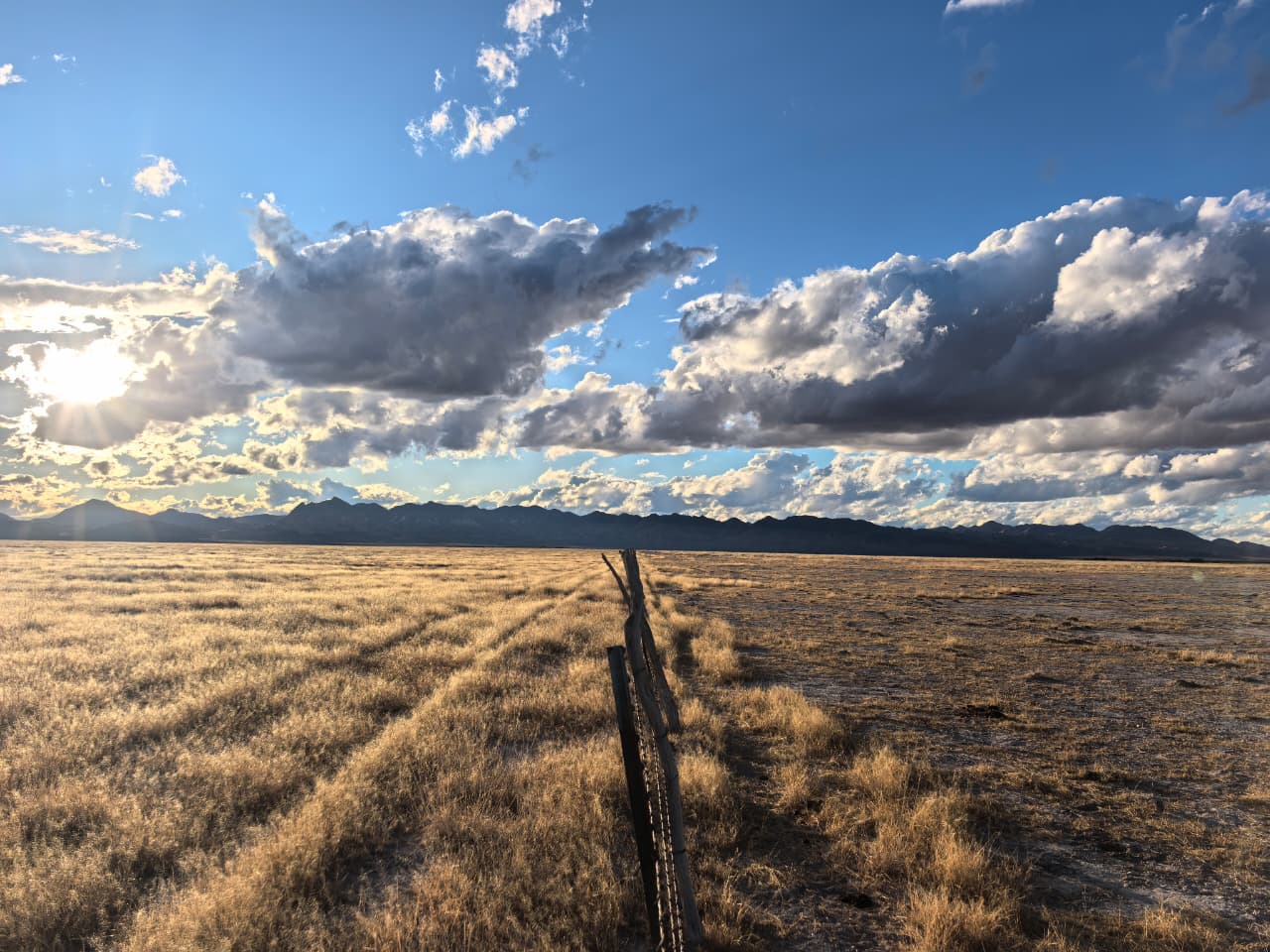
Northern Mexico: Boomitra’s Northern Mexico Grassland Restoration Project operates across millions of acres of desert grasslands in the Chihuahuan and Sonoran regions, supporting both private ranchers and community-owned ejidos. By enabling regenerative grazing at landscape scale, the project restores degraded soils, combats desertification, and delivers verified soil carbon removals while returning the majority of carbon revenue directly to local land stewards.
América del Sur: Across the Pampas grasslands of Argentina and Paraguay, Boomitra partners with ranchers to restore native grasslands while strengthening long-term productivity and resilience. Rancher Catalina Saenz of Tatay Ranch captures the ethos of this work: “We work with the earth; it’s not something we just use.” Through regenerative grazing and soil restoration, these landscapes are becoming healthier ecosystems and more resilient livelihoods.
East Africa: Boomitra’s East Africa Grassland Restoration Project supports pastoralist communities managing some of the region’s most ecologically important rangelands. For generations, these communities have stewarded biodiversity without recognition or compensation. As EarthAcre CEO Viraj Sikand explains: “These communities have protected biodiversity for generations without compensation. Now they’re being recognized and rewarded.” Carbon finance enables continued land stewardship while improving rural incomes and resilience.
Mongolia: In Mongolia, Boomitra is partnering with the national government and local herder communities to restore vast steppe ecosystems central to the country’s pastoral heritage. The program will support improved grazing management across rangelands that sustain both biodiversity and nomadic livelihoods, aligning climate finance with national priorities for land restoration, food security, and climate resilience.
What makes Boomitra’s approach unique is how we combine cutting-edge AI and remote sensing technology with deep respect for Indigenous and local knowledge. Our independently-verified monitoring system uses satellite data and machine learning to quantify soil carbon, drastically reducing the need for expensive physical sampling. This makes carbon finance accessible and scalable for pastoralists and ranchers in even the most remote landscapes.
Through digital tools like the Boomitra app and Mitra (our conversational AI assistant that communicates in local languages), we provide ranchers with real-time data about their land—information that helps them make better management decisions while earning recognition for their role as environmental stewards.
With 30 percent of global soil organic carbon stored in rangeland soils, restoring degraded grasslands offers enormous potential for nature-based carbon removal. Grassland restoration is simultaneously a climate, food security, biodiversity, resilience, and rural development strategy. Boomitra stands alongside pastoralist communities across continents—restoring grasslands, removing carbon, and investing in the landscapes that sustain us all.
Interested in supporting rangeland restoration through high-integrity soil carbon credits? Connect with Boomitra’s team to learn more about our grassland restoration projects.
Más información about IYRP 2026.

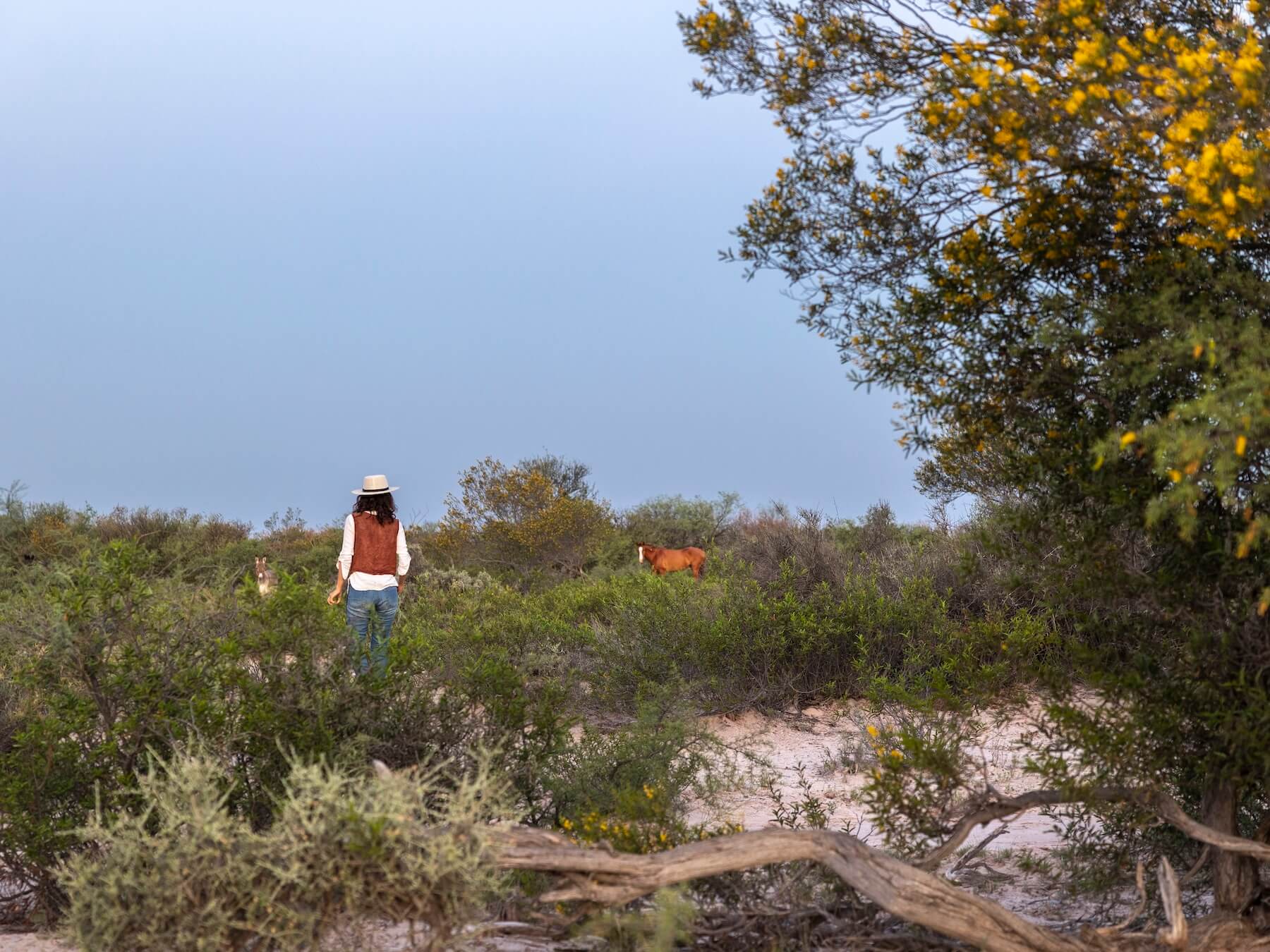
Hero image of Daniela of La Siempre Viva, a rancher enrolled in our South America Grassland Restoration Project.


EMPRESA
SOLUCIÓN CLIMÁTICA

Al optar por participar, aceptas nuestra Política de privacidad




